When generating images with AI, the prompt terms “cinematic” and “editorial” produce distinctly different results. Both suggest polish and professionalism, but they signal different visual intentions. Cinematic styling borrows from film and motion picture conventions. Editorial styling draws from fashion magazines and high-end publications. Knowing when to use each makes the difference between getting an image that matches your vision and getting something that looks generically professional.
What Does “Cinematic” Mean in AI Image Prompts?
Cinematic refers to visual conventions drawn from film and motion pictures. When you include “cinematic” in an AI image prompt, you signal a preference for dramatic lighting, environmental context, and narrative tension within a single frame. The resulting image should feel like a still captured from a movie scene.
Cinematic imagery prioritizes atmosphere and storytelling over subject clarity. The environment matters as much as the subject. Lighting creates mood through contrast and shadow. Depth of field guides attention while suggesting space beyond the frame. The overall effect conveys a moment frozen in a larger story.
AI tools interpret cinematic prompts through several consistent characteristics. Wide aspect ratios mimic theatrical presentation. Color grading tends toward stylized palettes like teal and orange or desaturated tones. Atmospheric elements such as haze, fog, and visible light rays add volume to the scene. The composition treats foreground, subject, and background as layered narrative elements rather than isolating the subject against a backdrop.
When prompt guides reference cinematic, they consistently suggest including terms like “dramatic lighting,” “shallow depth of field,” “film grain,” “anamorphic lens,” or “color grading.” These technical film terms help the AI understand the specific visual language being requested.
Key takeaway: Cinematic prompts produce images that feel like movie stills, emphasizing atmosphere, environmental context, and narrative mood over clean presentation of the subject.
What Does “Editorial” Mean in AI Image Prompts?
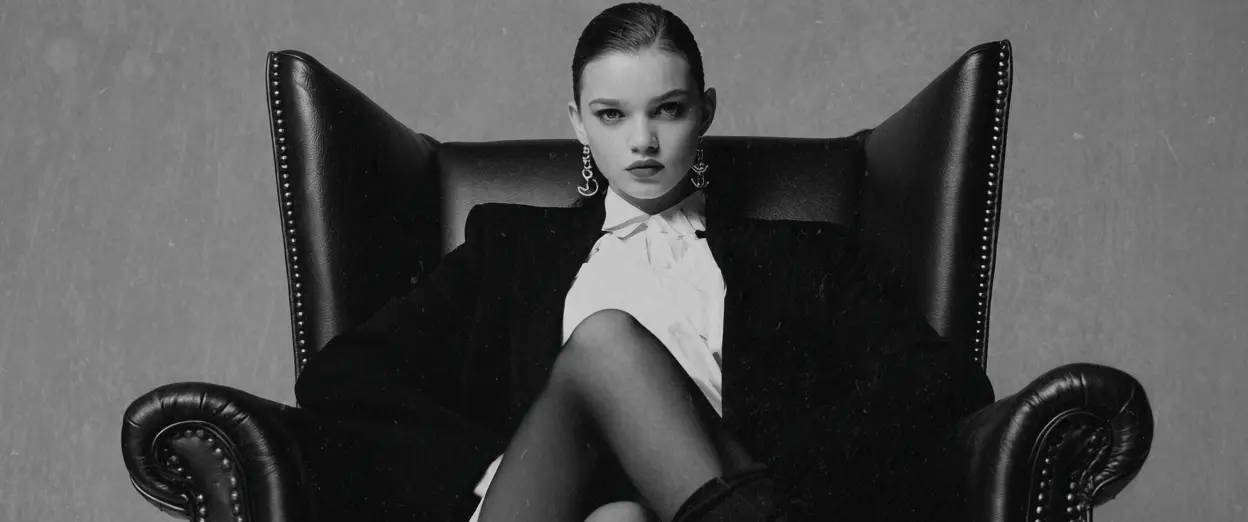
Editorial refers to visual conventions drawn from fashion and lifestyle magazines. When you include “editorial” in an AI image prompt, you signal a preference for intentional composition, refined styling, and subject-forward presentation. The resulting image should feel like something published in Vogue, Harper’s Bazaar, or a high-end brand campaign.
Editorial imagery prioritizes the subject’s appearance and presentation. Every element in the frame serves the subject. Lighting flatters rather than dramatizes. Styling is deliberate, with attention to clothing, accessories, and posture. The overall effect conveys elegance, sophistication, and a curated aesthetic.
AI tools interpret editorial prompts through several consistent characteristics. The subject typically dominates the frame. Lighting is controlled and often soft, creating clean shadows and even skin tones. Backgrounds tend toward neutral or complementary rather than narrative. Compositions follow principles of fashion photography, including strong poses, intentional negative space, and symmetrical or balanced framing.
When prompt guides reference editorial, they consistently suggest including terms like “magazine cover,” “studio lighting,” “high fashion,” “beauty photography,” or “fashion editorial.” These publishing and photography terms help the AI understand the specific visual language being requested.
Key takeaway: Editorial prompts produce images that feel like magazine spreads, emphasizing the subject’s appearance, refined styling, and intentional composition.
How Do Cinematic and Editorial Differ in Technical Execution?
The distinction between cinematic and editorial shows most clearly in how each approach handles lighting, composition, and color. Understanding these technical differences helps you choose the right term for your intended result.
| Element | Cinematic | Editorial |
|---|---|---|
| Lighting | Dramatic, high contrast, environmental sources | Controlled, flattering, often studio-style |
| Shadows | Deep, expressive, integral to mood | Soft, minimal, serving the subject |
| Composition | Layered (foreground, subject, background) | Subject-centered, balanced framing |
| Color grading | Stylized palettes, mood-driven tones | Clean, accurate, or deliberately fashion-forward |
| Background | Contextual, contributes to narrative | Neutral or complementary, serves the subject |
| Aspect ratio | Wide (16:9 or wider) | Varies by publication format (portrait, square) |
| Mood | Tension, atmosphere, story | Elegance, refinement, aspiration |
The lighting philosophy represents the clearest divergence. Cinematic lighting serves mood. A cinematographer might place a single rim light behind a subject to create silhouette and mystery, even if the face falls into shadow. Editorial lighting serves the subject. A fashion photographer might use multiple softboxes to eliminate harsh shadows and ensure every detail reads clearly.
Composition reveals the second major difference. Cinematic framing treats the environment as a character. The subject might occupy a small portion of the frame while architectural elements, weather, or other environmental details create context. Editorial framing centers the subject. The environment exists only to complement what matters most, which is the subject’s presentation.
Key takeaway: Cinematic prioritizes mood and environment; editorial prioritizes subject and presentation. The technical choices flow from these different priorities.
When Should You Use Cinematic Styling?
Use cinematic styling when narrative context matters more than clean presentation. This choice works best when you want the image to suggest a story, evoke an emotional response, or place a subject within a meaningful environment.
Cinematic styling works well for concept art, storyboards, and visual development. If you are generating images to explore mood boards for film, games, or visual narratives, the cinematic approach produces results that feel appropriate to those contexts. The atmospheric qualities suggest movement and sequence even in a static image.
Cinematic styling also works well for environmental portraits where location carries meaning. A character standing in a rain-soaked alley, a figure silhouetted against an industrial sunset, or a person framed by dramatic architecture all benefit from the cinematic approach. The environment participates in the visual story rather than merely providing backdrop.
Avoid cinematic styling when you need clear product presentation, professional headshots, or images where the subject must read immediately without atmospheric interference. The dramatic qualities that make cinematic images compelling also obscure detail and reduce clarity.
Example prompt pattern: “A lone figure walking through a fog-covered forest at dawn, cinematic lighting with soft golden rays filtering through trees, wide shot, shallow depth of field, muted earth tones with warm highlights, film grain texture”
Key takeaway: Choose cinematic when the story or mood matters as much as the subject. The atmosphere becomes part of the meaning.
When Should You Use Editorial Styling?
Use editorial styling when subject presentation matters more than environmental context. This choice works best when you want the image to showcase appearance, convey sophistication, or produce results that feel publication-ready.
Editorial styling works well for fashion and beauty content where the subject’s styling, clothing, or features need to read clearly. The controlled lighting and subject-centered composition ensure that details remain visible and flattering. The overall aesthetic suggests professional production and intentional curation.
Editorial styling also works well for professional portraits, brand imagery, and any context where polish and refinement matter. A LinkedIn headshot, a brand ambassador photo, or a product-adjacent lifestyle image all benefit from the editorial approach. The clean presentation signals professionalism without the emotional weight of dramatic lighting.
Avoid editorial styling when you need environmental context, narrative tension, or atmospheric mood. The subject-forward composition and controlled lighting produce results that feel posed and intentional. This works against imagery that should feel candid, immersive, or contextually grounded.
Example prompt pattern: “A confident woman in a tailored blazer, editorial fashion photography, studio lighting with soft shadows, clean neutral background, magazine cover aesthetic, sharp focus on face and styling, professional beauty retouching”
Key takeaway: Choose editorial when appearance and presentation matter most. The subject becomes the complete focus.
Can You Combine Cinematic and Editorial Approaches?
Yes. Hybrid approaches produce some of the most compelling AI-generated images. Many professional photographers blend documentary authenticity with editorial polish. The same principle applies to prompt engineering.
The combination works by applying editorial attention to subject presentation while maintaining cinematic environmental context. Think of a fashion editorial shot on location rather than in studio. The subject still receives flattering light and intentional styling, but the environment participates in the visual narrative.
Effective hybrid prompts specify which elements should receive which treatment. You might request “editorial lighting on the subject with cinematic environmental depth” or “fashion magazine styling in a moody cinematic setting.” The key is clarity about what you want emphasized.
Example hybrid prompt: “A fashion model in an avant-garde gown standing in an abandoned industrial building, editorial beauty lighting on face and clothing, cinematic environmental mood with dramatic shadows and visible light beams, shallow depth of field separating subject from background, muted cool tones with selective warm highlights on skin”
This approach requires more precise prompting but often produces results that feel both polished and atmospheric. The editorial elements ensure the subject reads clearly while the cinematic elements provide context and mood.
Key takeaway: Hybrid approaches work when you specify which elements receive which treatment. Combine editorial subject presentation with cinematic environmental context for sophisticated results.
What Prompt Elements Strengthen Each Style?
Effective prompts include specific technical terms that help AI tools understand your visual intentions. Different terminology signals different style expectations.
Cinematic prompt elements:
- Shot types: wide shot, establishing shot, medium shot, over-the-shoulder
- Lighting: rim light, backlight, silhouette, low-key lighting, practical lights
- Atmosphere: fog, haze, rain, dust particles, lens flare
- Technical: anamorphic, shallow depth of field, film grain, color grading
- Mood: moody, dramatic, tense, melancholic, suspenseful
Editorial prompt elements:
- Shot types: beauty shot, three-quarter portrait, full-body, headshot
- Lighting: softbox, key light, fill light, butterfly lighting, studio lighting
- Style: high fashion, luxury, glamour, minimalist, sophisticated
- Technical: sharp focus, clean background, professional retouching
- Mood: elegant, refined, confident, aspirational, polished
Including three to five relevant elements typically produces better results than over-specifying. The AI needs enough information to understand the intended style without receiving contradictory signals.
Common failure mode: Mixing incompatible elements in a single prompt. Requesting “dramatic cinematic shadows” alongside “soft editorial beauty lighting” creates conflicting signals. The AI must resolve the contradiction, often producing results that feel generic rather than stylistically committed.
Key takeaway: Use terminology consistent with your chosen style. Mixing technical elements from different traditions produces inconsistent results.
Conclusion
The choice between cinematic and editorial styling shapes the fundamental character of AI-generated images. Cinematic prompts produce atmospheric, narrative-driven results where environment and mood participate in the visual story. Editorial prompts produce polished, subject-centered results where presentation and refinement take priority.
Neither approach is superior. The right choice depends on intended use. Concept art, storyboards, and environmental portraits benefit from cinematic treatment. Fashion imagery, professional headshots, and brand content benefit from editorial treatment. Hybrid approaches work when you specify which elements receive which treatment.
The most common error is treating these terms as generic markers of quality rather than specific style signals. “Cinematic” does not mean “good looking.” “Editorial” does not mean “professional.” Each term carries specific visual conventions. Understanding those conventions makes the difference between prompts that produce what you envision and prompts that produce what the AI interprets.