
Most advice on this question answers a different one. Ask how to decide what your brand should focus on and you get channels to optimize, a posting cadence, a content calendar — activity, arriving before anyone has said what the activity is for. The decision sits earlier than all of it, and it is a single question: what is this brand worth being known for? Choose the one meaning worth being understood for, then remove what pulls against it. Everything downstream depends on having answered that, which is why more activity never substitutes for it.
Getting what you want versus wanting what’s worth getting
Shane Parrish, who writes the Farnam Street newsletter, draws a useful line between intelligence and wisdom. Intelligence is knowing how to get what you want. Wisdom is knowing what is worth wanting in the first place (the distinction runs through his book Clear Thinking). The two are easy to confuse, because both look like competence from the outside.
Brand work runs heavy on the first and light on the second. A business can test headlines, raise its conversion rate, and grow its following, all of it skilled, and still never ask whether the thing it is optimizing is worth being known for. That prior question is the focus question. It sits upstream of the metrics, and the metrics cannot answer it.
A brand can be optimized toward the wrong thing with great precision.
The competence trap
The default playbook treats focus as the output of research. Define your why, study competitors, interview stakeholders, pick a position. These are useful steps. None of them makes the decision. They generate candidate meanings; they do not choose one. A team can finish the whole exercise holding a tidy list of forty things the brand could stand for and no judgment about which one it should.
The activity feels productive because it is. Effort went in, slides came out, everyone was busy. What the process optimized was the inputs to a decision that nobody actually made. That is the trap: skilled motion standing in for the harder act of choosing. Your analytics will not rescue you here either, because they measure how well you are pursuing a goal, never whether the goal was worth pursuing.
Focus is a decision about meaning, not a longer checklist
A brand is how something is understood, over time. Focus is the choice of what that understanding should be. Once you frame it that way, the question stops being “what should we do more of” and becomes “what is the single thing we want to be understood for, clearly enough that it guides every other decision.”
That choice is answerable to criteria, not to taste. The test for any signal is whether it belongs to the chosen meaning, not whether someone happens to like it. A brand built on preference drifts every time the people in the room change. A brand built on a decision holds, because the decision is something later choices can be measured against. This is also why focus reads as confidence rather than constraint: the difference between a simple brand and a shallow one is whether the simplicity was chosen or merely arrived at.
The discipline of removal
Choosing what to build is only half the decision. The other half is removing what dilutes it, and that half is where most focus efforts quietly fail. Greg McKeown’s Essentialism describes the discipline plainly: discern the few things that matter, then cut everything else so the essential has clear passage. In that spirit, the people who get an unusual amount done tend to be ruthless about removing what others tolerate.
A brand works the same way. Every message you keep that does not reinforce the chosen meaning competes with it. Every channel you maintain out of habit spreads the signal thinner. Fewer signals carrying one coherent meaning will out-perform more signals carrying a diluted one, every time. Removal is an act of protection. It guards the thing you decided was worth building, and it asks more nerve than addition ever does.
| The focus filter | The question it forces |
|---|---|
| Meaning | What single thing is this brand worth being understood for? |
| Belonging | Does this signal reinforce that meaning, or does it just appeal to us? |
| Coherence | Does it agree with the signals already in the system, or contradict them? |
| Subtraction | What are we willing to stop doing to protect the meaning we chose? |
How a chosen focus becomes coherence
Focus is the precondition for the thing that actually builds trust, which is coherence: the degree to which a brand’s signals agree with each other over time. You cannot align signals toward a meaning you never chose. Skip the decision, and there is nothing for the signals to cohere toward, which is exactly why volume without focus reads as noise.
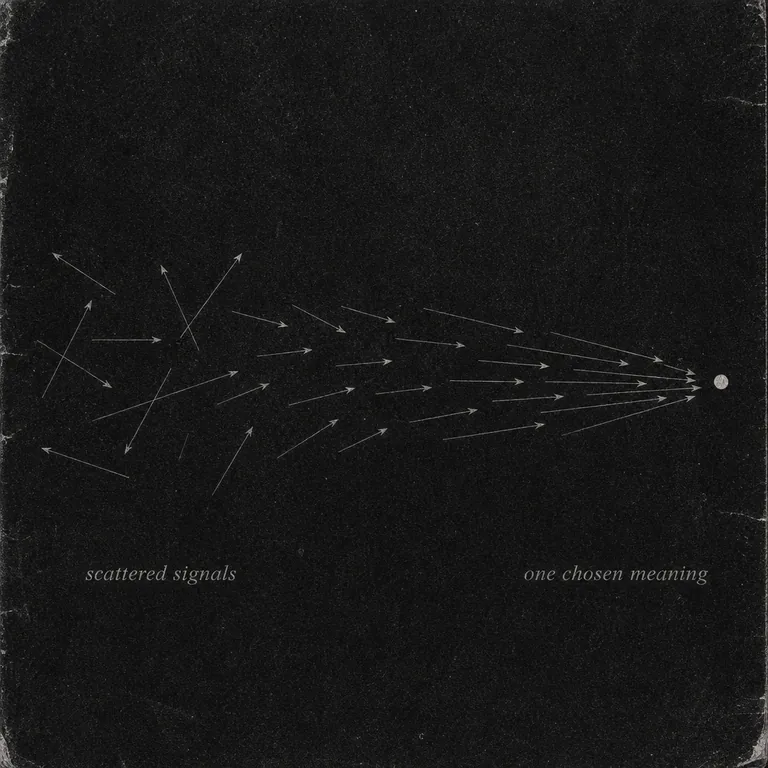
When the meaning is chosen, every later decision gets lighter. “Does this fit what we are?” becomes answerable. Content stops being re-explained, campaigns build on each other instead of starting over, and the brand compounds rather than resets. That compounding is the return on the focus decision, and it is why coherence is a design problem rather than a talent problem: it is built on purpose, through the choice of what belongs. The judgment behind good brand decisions is this same judgment, applied early.
What to do with this
Deciding what your brand should focus on is the wisdom step that optimization keeps postponing. Choose the single meaning worth building, hold every signal to whether it belongs, and remove what does not. The common pitfall is treating focus as something you discover through more activity. It is something you decide, and then defend. If you want a system that makes that decision and holds it, that is the work of brand strategy.